


Type 2 diabetes: Which carbohydrates can you eat and how to count them
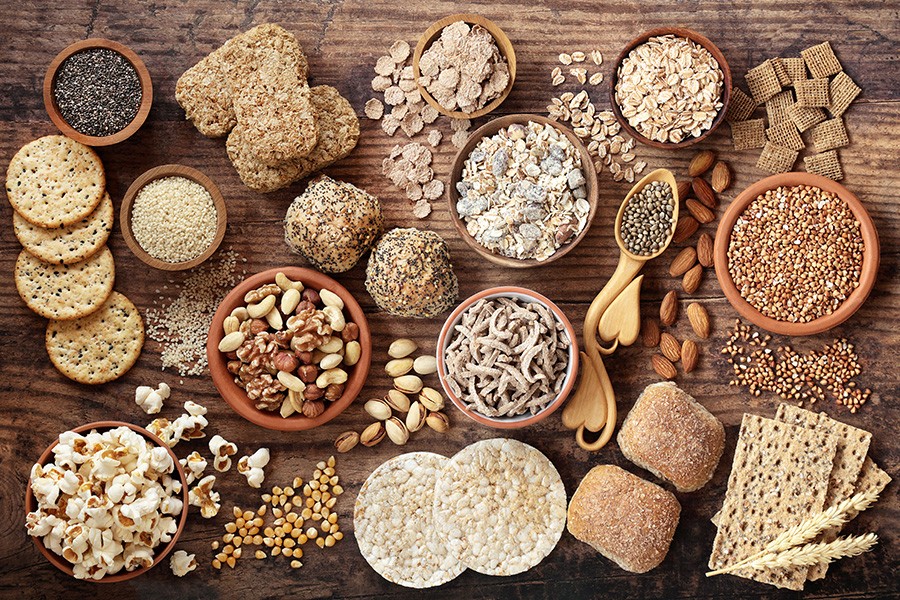
One of the cornerstones for treating type 2 diabetes is a person's diet, and carbohydrates play a crucial role within it. Learning to count and select the right carbohydrates not only improves glucose control, it also helps to prevent complications, avoid blood glucose spikes and live with more energy. In this article we'll explain how carbohydrates function, how to count them correctly and what type of food choices people living with diabetes can make.
What are carbohydrates and how do they affect your glucose?
Carbohydrates are the main energy source for the body. They can be found in foods such as bread, rice, fruit, milk, legumes, sweets and cereals. When you eat them, they break down into glucose, which enters the bloodstream and raises your glucose levels.
In people with type 2 diabetes, insulin resistance reduces the body’s ability to use insulin effectively, which means that glucose levels can remain high after consuming carbohydrates, especially if they are fast-digesting or are consumed in large quantities¹.
That's why understanding how many carbohydrates you consume and what type they are is essential for maintaining good glucose control.
Types of carbohydrates: they're not all the same
There are two main types of carbohydrates, and their effect on glucose is different:
- Simple carbohydrates (fast-digesting)
Examples: white sugar, white bread, cakes, processed fruit juices, soft drinks.
These quickly raise blood glucose.
People with type 2 diabetes should limit. - Complex carbohydrates (slow-release)
Examples: oats, legumes, brown rice, wholewheat bread, starchy vegetables.
They are more slowly digested, which allows for a more gradual increase in glucose.
They are the best option for people with diabetes.
It's also important to consider the glycaemic index (GI), which measures how quickly a food can raise the blood glucose level. Foods with a low GI (such as lentils or apples) are preferable for managing diabetes².
What is carb counting?
Carbohydrate counting is a technique that enables you to calculate how many grams of carbohydrates are consumed in each meal. It's a useful tool for planning portions and keeping glucose within healthy ranges.
How can you do it?
- Read nutritional labels: identify how many grams of carbohydrates there are per portion.
- Use food charts: if you eat food made at home or fresh food (such as fruit), you can use guides that indicate how many grams of carbohydrates there are per unit.
- Keep a record of your meals: keeping a record helps you to understand how certain foods might affect your glucose.
- Set a daily target: For many people with type 2 diabetes, a typical target may be 45–60 grams of carbohydrates per meal, but this should always be individualized by a healthcare professional³.
Besides, counting carbs doesn't mean having to measure every mouthful. With practice, many people manage to estimate portions at a glance, which makes this process more sustainable in the long term.
Benefits of controlling carbohydrates in type 2 diabetes
- Reduction of postprandial glucose spikes (after eating), which improves energy levels and physical performance.
- Better HbA1c control, which lowers the risk of long-term complications⁴.
- Weight loss or maintenance of body weight.
- Increased feeling of satiety when choosing fibre-rich complex carbohydrates.
- Reduced need for medication or insulin in some cases.
- Prevention of cardiovascular disease by choosing whole foods and reducing refined sugars.
Tools and resources to support management
- Mobile applications that help to easily log foods and calculate carbohydrates.
- Nutritionists specialising in diabetes can teach you to create personalised menus.
- Diabetes educators offer support in interpreting glucose readings and portion adjustments.
- Diabetes plates or portion models divide the plate into areas, also useful for people who prefer not to count grams.
Some people who live with diabetes choose to use continuous glucose monitors (CGM), which measure interstitial glucose and allow observation of how your body reacts to certain foods almost in real time, which helps with decision making.
Practical examples: making better choices
High simple carbs option → Healthy alternative
Soft drinks → Water with lemon or infusions without sugar
White bread → 100% wholemeal bread
White rice → Brown rice or quinoa
Chips → Mashed cauliflower or roasted sweet potato chips
Sugary cereals → Boiled oats and nuts
Advice for a balanced diet
- Don't eliminate all carbohydrates: your body needs energy. The important thing is to make the right choices and control portions.
- Combine carbohydrates with fibre, protein and healthy fats: this delays glucose absorption.
- Plan your meals and snacks: try not to improvise and fall for unhealthy options.
- Measure your blood glucose regularly: to find out how you react to certain foods and make any necessary changes.
- Don't get obsessed with being perfect: the important thing is to stick to a balanced and flexible diet.
The key lies in establishing a healthy relationship with food, free of fear and guilt, while being responsible and aware.
For people living with type 2 diabetes, learning to smartly count and choose carbohydrates is a powerful tool. This can help you to maintain good glycemic control, improve your wellbeing and prevent future complications. The key lies not in restricting everything, but in making conscious decisions based on knowledge and professional support.
Sources
- Mayo Clinic. (2023). Carbohydrates and blood sugar. https://www.mayoclinic.org/diseases-conditions/diabetes/in-depth/carbohydrates/art-20045705
- Harvard T.H. Chan School of Public Health. The Nutrition Source: Carbohydrates and the Glycemic Index. https://www.hsph.harvard.edu/nutritionsource/carbohydrates/carbohydrates-and-blood-sugar
- American Diabetes Association. Counting Carbohydrates for Success. https://diabetes.org/food-nutrition/meal-planning
- Franz MJ et al. (2003). Evidence-Based Nutrition Principles and Recommendations for the Treatment and Prevention of Diabetes and Related Complications. Diabetes Care, 26(Suppl 1): S51–S61. https://pubmed.ncbi.nlm.nih.gov/12502619
- CDC – Centers for Disease Control and Prevention. Carb Counting to Manage Your Blood Sugar. https://www.cdc.gov/diabetes/healthy-eating/carb-counting-manage-blood-sugar.html